
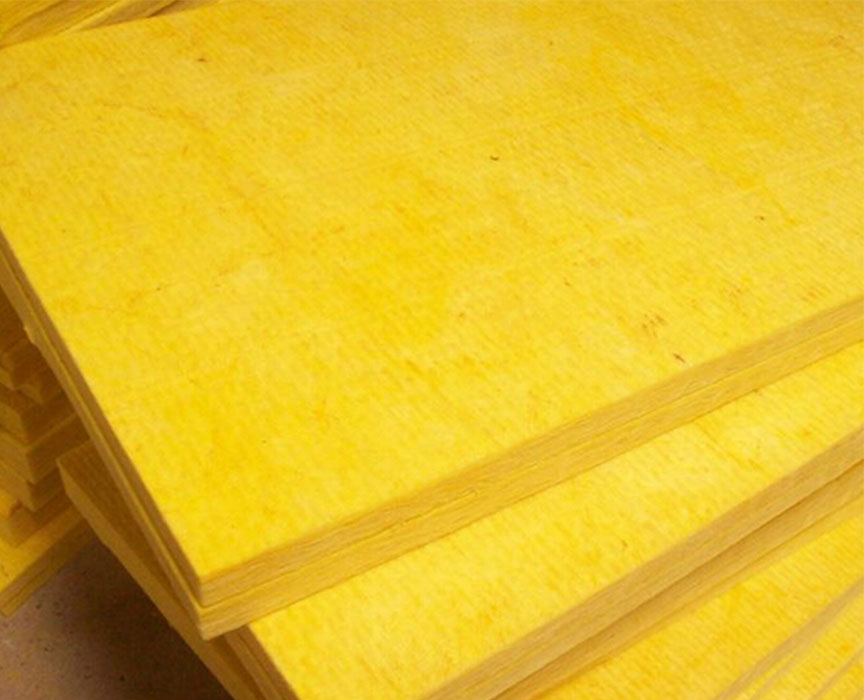
Fiberglass cotton, also known as glass fiber wool, is an inorganic non-metallic material derived from glass beads or recycled glass through high-temperature melting and drawing processes. With its excellent insulation, heat resistance, and corrosion resistance, fiberglass cotton has become a cornerstone in industries ranging from construction to industrial manufacturing.
Key Feature
Lightweight yet Durable: Composed of ultra-fine fibers (typically 3–10 microns in diameter), it offers high strength-to-weight ratio.
Thermal Insulation: Effectively reduces heat transfer, making it ideal for temperature-sensitive environments.
Fire Resistance: Classified as non-combustible (A1 fire rating), it does not contribute to flame spread.
Acoustic Absorption: Mitigates noise by trapping sound waves within its fibrous structure.
Chemical Stability: Resistant to moisture, mold, and most chemicals, ensuring long-term performance.
Primary Applications
1. Building Insulation
Used in walls, roofs, and floors of residential/commercial buildings to enhance energy efficiency.
Spray-applied versions conform to irregular surfaces, eliminating thermal bridging.
Example: Lightweight steel structure houses in extreme climates.
2. Industrial Thermal Management
Insulation for ovens, furnaces, pipelines, and HVAC systems.
Available as blankets, boards, or loose-fill with densities ranging from 10–50 kg/m³.
Temperature tolerance: 200–450°C (392–842°F), depending on binder type.
3. Filtration Systems
Serves as a pre-filter in air handling units (AHUs) to capture dust and particulate matter.
Often blended with natural fibers for improved dust retention.
4. Acoustic Panels
Integrated into soundproofing solutions for theaters, recording studios, and industrial facilities.
Advantages Over Alternatives
Cost-Effective: Lower material and installation costs compared to mineral wool or foam-based insulators.
Eco-Friendly: Made from abundant silica sand/recycled glass; fully recyclable at end-of-life.
Adaptability: Can be cut, molded, or sprayed to fit complex geometries.
Safety Considerations
Skin Protection: Wear gloves and long sleeves to prevent irritation from fiberglass particles.
Respiratory Safety: Use N95 masks during cutting or handling to avoid inhalation of fine fibers.
Curing Time: Spray-applied insulation requires 24–72 hours to dry; avoid physical contact or moisture exposure during this period.
Future Trends
Smart Insulation: Integration with phase-change materials (PCMs) for dynamic thermal regulation.
Sustainable Production: New methods to reduce energy consumption in fiber manufacturing.
Conclusion
Fiberglass cotton balances performance, affordability, and sustainability, making it indispensable in modern construction and industrial sectors. As technology advances, its applications will expand, further solidifying its role as a material of choice for innovative solutions.