Eco-Friendly Grooved Acoustic Panels: The Future of Sustainable Sound Control
As architects, interior designers, and environmentally conscious homeowners seek smarter ways to manage noise without compromising sustainability, eco-friendly grooved acoustic panels made from recycled materials are emerging as a leading solution. These innovative panels combine superior sound absorption with a reduced environmental footprint—making them ideal for modern green buildings, offices, studios, and homes.
What Are Eco-Friendly Grooved Acoustic Panels?
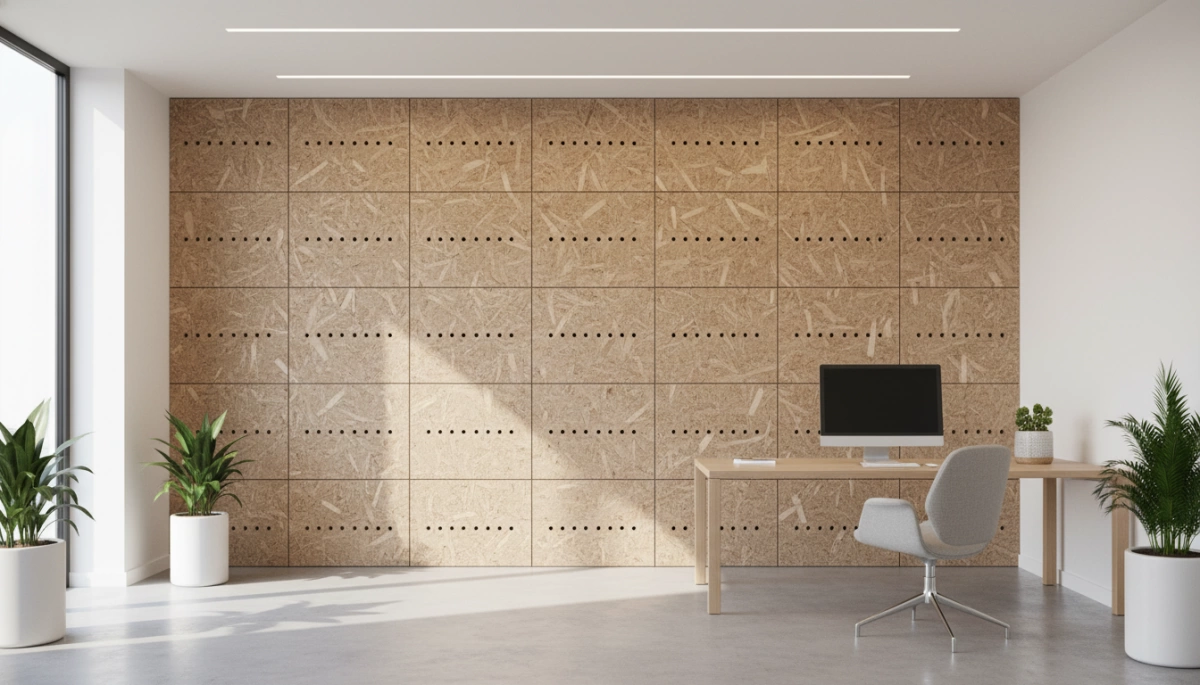
Grooved acoustic panels are engineered wood or fiber-based panels featuring precision-cut grooves that enhance sound diffusion and absorption. When made from recycled materials—such as post-consumer PET bottles, reclaimed wood fibers, or recycled cotton—these panels become a sustainable alternative to traditional acoustic treatments.
Unlike conventional foam or fiberglass panels, which can off-gas volatile organic compounds (VOCs) and are difficult to recycle, eco-friendly grooved acoustic panels made from recycled materials are non-toxic, biodegradable, and often recyclable at the end of their life cycle.

How Do Grooved Panels Improve Acoustics?
The grooves on these panels are not just for aesthetics—they serve a functional purpose. By increasing the surface area and creating varied depths, the grooves help break up sound waves, reducing echo and reverberation in large or hard-surfaced rooms.
- Sound Diffusion: Grooves scatter sound waves, preventing focused reflections and creating a more balanced acoustic environment.
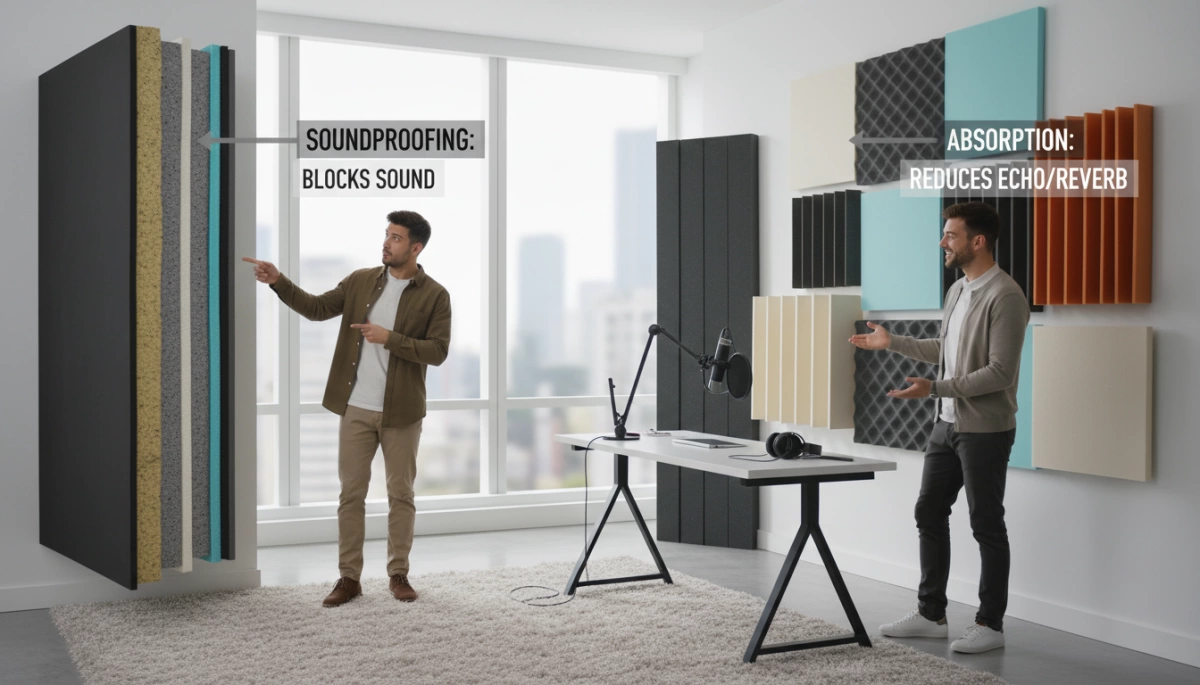
- Noise Absorption: Made from porous recycled fibers, these panels absorb mid to high-frequency sounds effectively.
- Design Flexibility: Available in various groove patterns, colors, and finishes, they blend seamlessly into modern interiors.
Why Choose Panels Made from Recycled Materials?
Choosing recycled-content acoustic panels supports a circular economy and reduces reliance on virgin resources. Here’s why this matters:
Environmental Benefits
Manufacturing acoustic panels from recycled materials significantly lowers carbon emissions, water usage, and landfill waste. For example, using recycled PET (rPET) diverts plastic from oceans and landfills while requiring up to 70% less energy than producing virgin polyester.
Indoor Air Quality & Health
These panels are typically formaldehyde-free and low in VOCs, contributing to healthier indoor environments—especially important in schools, healthcare facilities, and homes.
LEED and Green Building Compliance
Projects using eco-friendly grooved acoustic panels made from recycled materials can earn points toward LEED (Leadership in Energy and Environmental Design) certification under categories such as Materials and Resources and Indoor Environmental Quality.
Applications of Sustainable Grooved Acoustic Panels
These panels are versatile and suitable for a wide range of environments:
Commercial Offices
Open-plan offices benefit from reduced noise distractions. Installing grooved panels on walls or ceilings improves speech privacy and employee concentration.
Educational Institutions
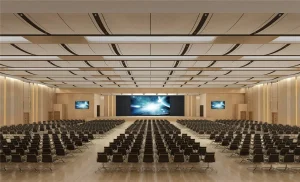
Classrooms and lecture halls require clear acoustics for effective learning. Recycled-content panels help meet acoustic standards while promoting sustainability education.
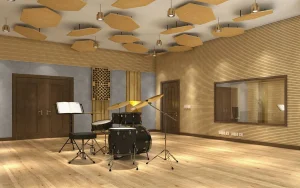
Home Theaters and Studios
For audiophiles and content creators, these panels provide professional-grade sound control with an eco-conscious edge.
Hospitality Spaces
Hotels, restaurants, and lounges use these panels to enhance ambiance by reducing background noise and improving guest comfort.
How to Choose the Right Eco-Friendly Acoustic Panel
When selecting panels, consider the following factors:
- Recycled Content Percentage: Look for transparency in material sourcing—ideally 60% or higher recycled content.
- NRC Rating: The Noise Reduction Coefficient should be 0.6 or above for effective absorption.
- Fire Resistance: Ensure panels meet local fire safety codes (e.g., Class A fire rating).
- Installation Options: Panels should be easy to mount using adhesive, rails, or clips.
- Aesthetic Customization: Many brands offer custom colors, groove patterns, and even printed designs.
Conclusion: Sound Control Meets Sustainability
Eco-friendly grooved acoustic panels made from recycled materials represent the perfect synergy between performance and planet-friendly design. As the demand for green building materials grows, these panels offer a practical, stylish, and responsible way to manage sound in any space.
By choosing sustainable acoustic solutions, you’re not just improving acoustics—you’re contributing to a cleaner, quieter, and more sustainable world.